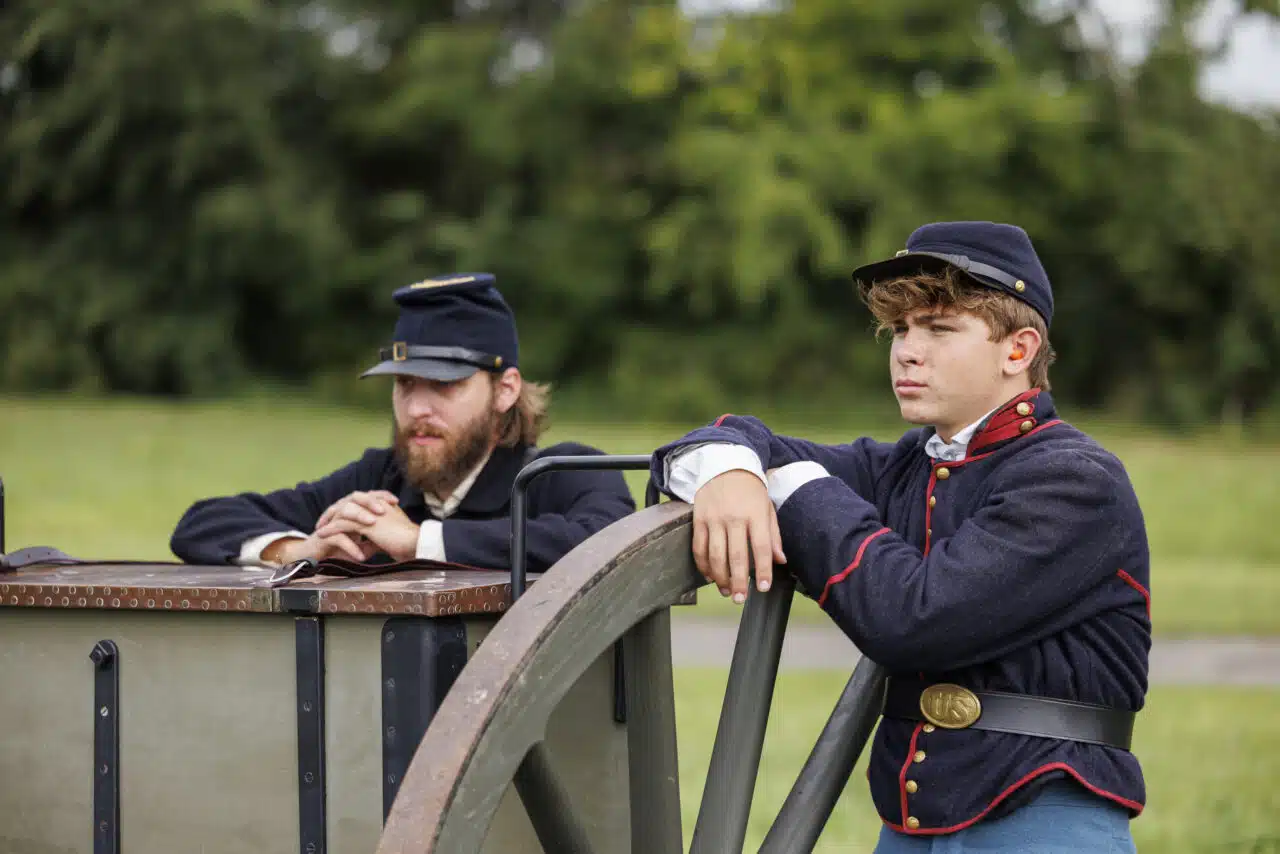
This year when the boys in blue and gray meet on the grounds of Richmond’s Battlefield Park on August 29th and 30th for the 23rd re-enactment of one of Kentucky’s two major Civil War battles, there will be some new twists added to the usual agenda.
Before we get into the specifics of the re-enactment, let’s talk about what the re-enactment is re-enacting.
For such an important clash, the Battle of Richmond remains surprisingly little known to most residents of Kentucky who are more familiar with the Battle of Perryville fought a month-and-a-half later just 45 miles to the west.
The Battle of Richmond’s relative obscurity is surprising as according to historians, military scholars and those who do know something about it, the battle – spanning two fateful days in August of 1862, might have changed the course of the Civil War.
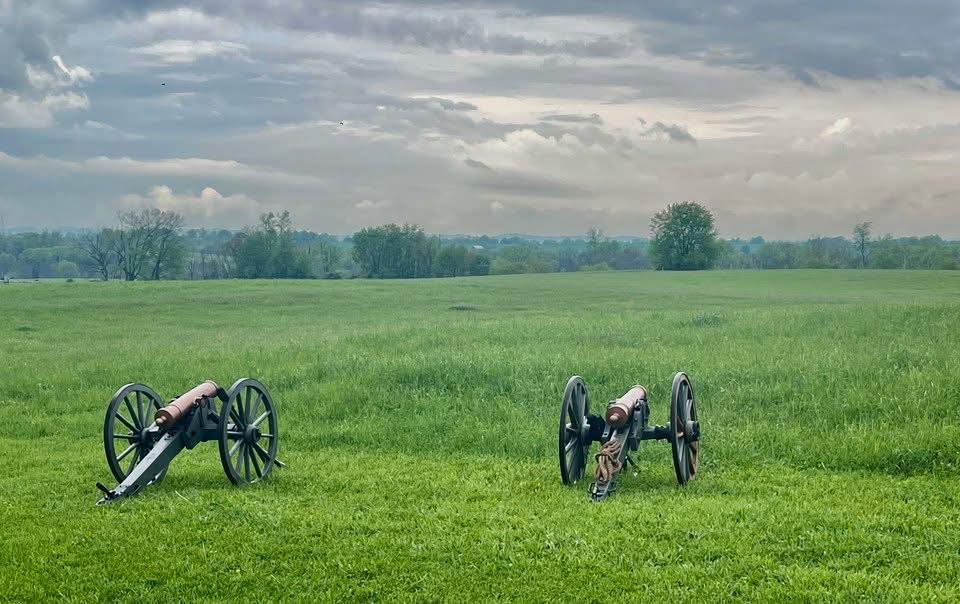
Over those two blisteringly hot days, Union and Confederate armies met up on a dusty battleground in Madison County, and when that dust settled, the outcome proved to be the most decisive victory for either side during the entire war.
As battles went, this one was pretty lop-sided. When a mostly untested Union battalion under the command of General William “Bull” Nelson came up against a battle-hardened Confederate force commanded by Major General Edmund Kirby Smith, the outcome might have been predicted.
What probably couldn’t have been predicted was the final score – 5,353 casualties for the Union army as opposed to just 451 for the Confederates.
A battle, regardless of the outcome, isn’t exactly something to celebrate in the usual sense of the word, but it is something to “remember and revere.”
At least it is to Emma Carmack, the new Richmond Battlefield Curator, who has only been in her position since May and will not only be organizing her first Re-enactment, but experiencing her first Re-enactment.
As a novice, her feelings are a mixture of excitement and reverence.
“I’m thrilled to step into a role connected to a tradition years in the making that so many people hold dear, and to use my education to help shape future events,” says Carmack.
At the same time, Carmack – who is the same age as the Re-enactment itself – feels the responsibility for “telling the battle’s story with all the historical weight it deserves.”
Carmack isn’t the only change visitors will encounter this year. Also new – or at least sort of new – will be the return of the equine component of the Re-enactment.
“After a nearly seven-year hiatus, we will once again have horses which were always a part of the event before the COVID pandemic,” says Carmack.
“This year, we have 12 female horses registered for the weekend,” she says. “We think everyone will be excited to have them back.”
Carmack and the horses’ return may be new, but the rest of the weekend will be reassuringly familiar to those who consider the event one of Richmond’s most beloved.
There will be the usual guided Battlefield Tours and Living History Stations which give visitors an opportunity to see not only what happened during the course of the battle, but also what Richmond and Madison County were like in the Civil War era.
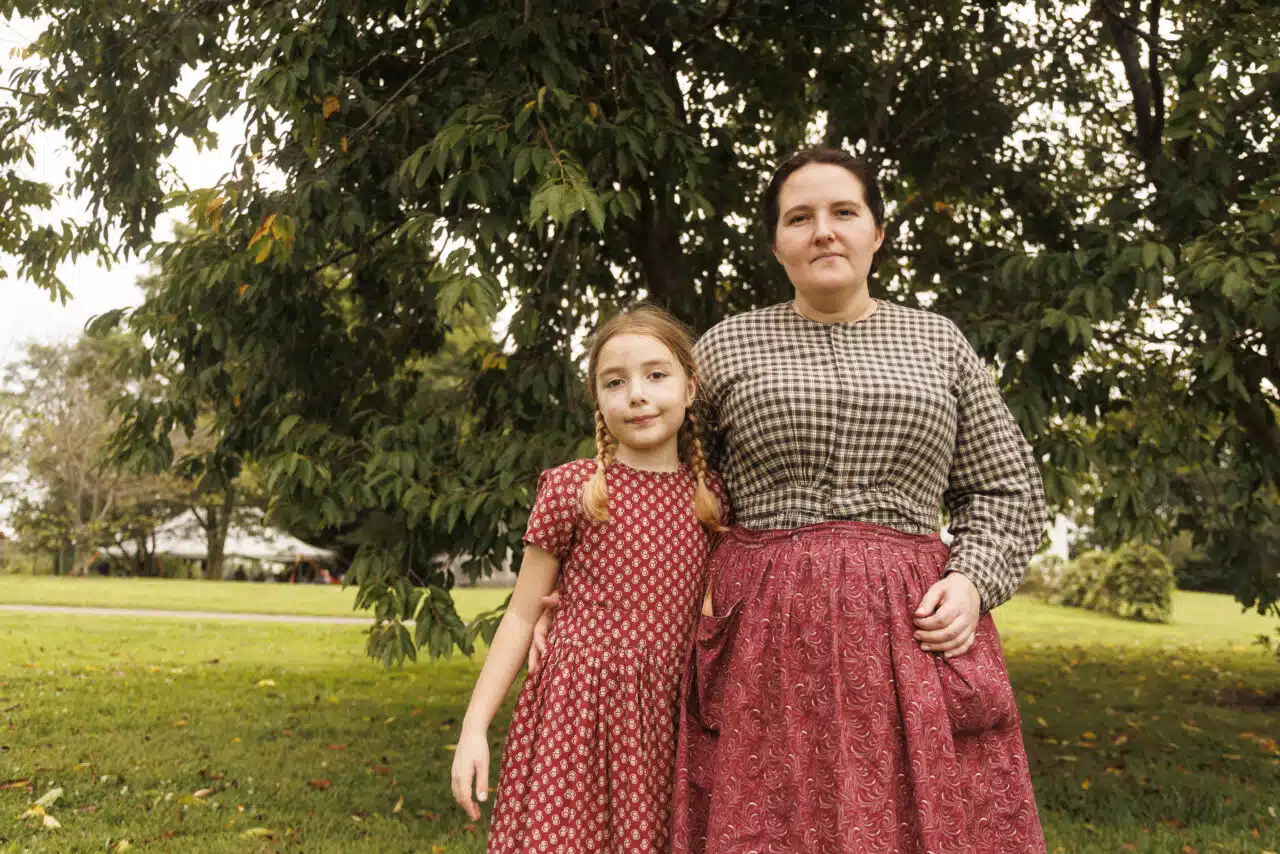
Two special events which have proven popular in the past are sure to be a hit again this year. Once again, the ladies (appropriate period attire required) will gather for the Ladies Tea on the grounds of Pleasant View, a former Civil War era family home. Sorry, gents, this is ladies only.
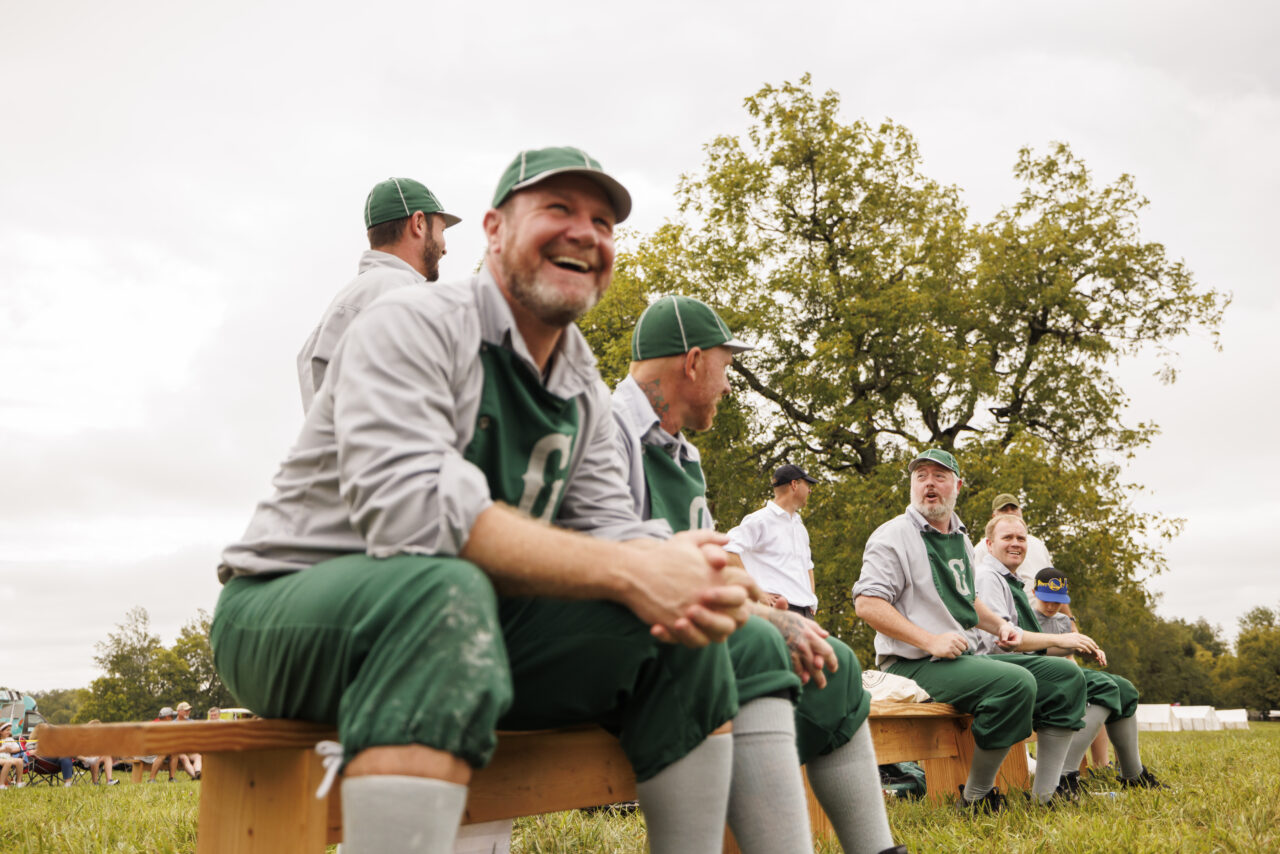
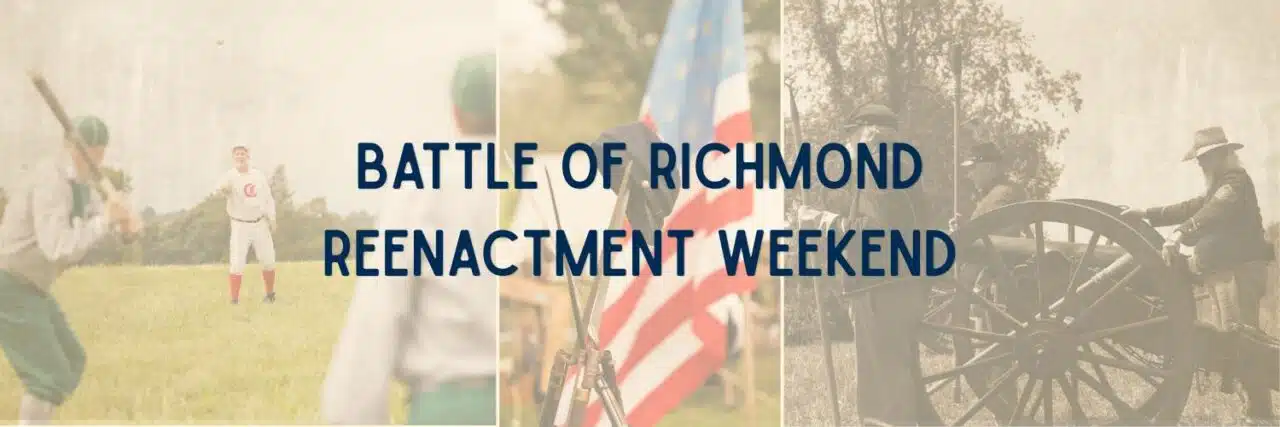
The male of the species (and females too) will want to attend the popular Period Baseball Game (19th century rules apply). This year’s competitors will be the Cincinnati Vintage Baseball Club and the Georgetown Gentlemen.
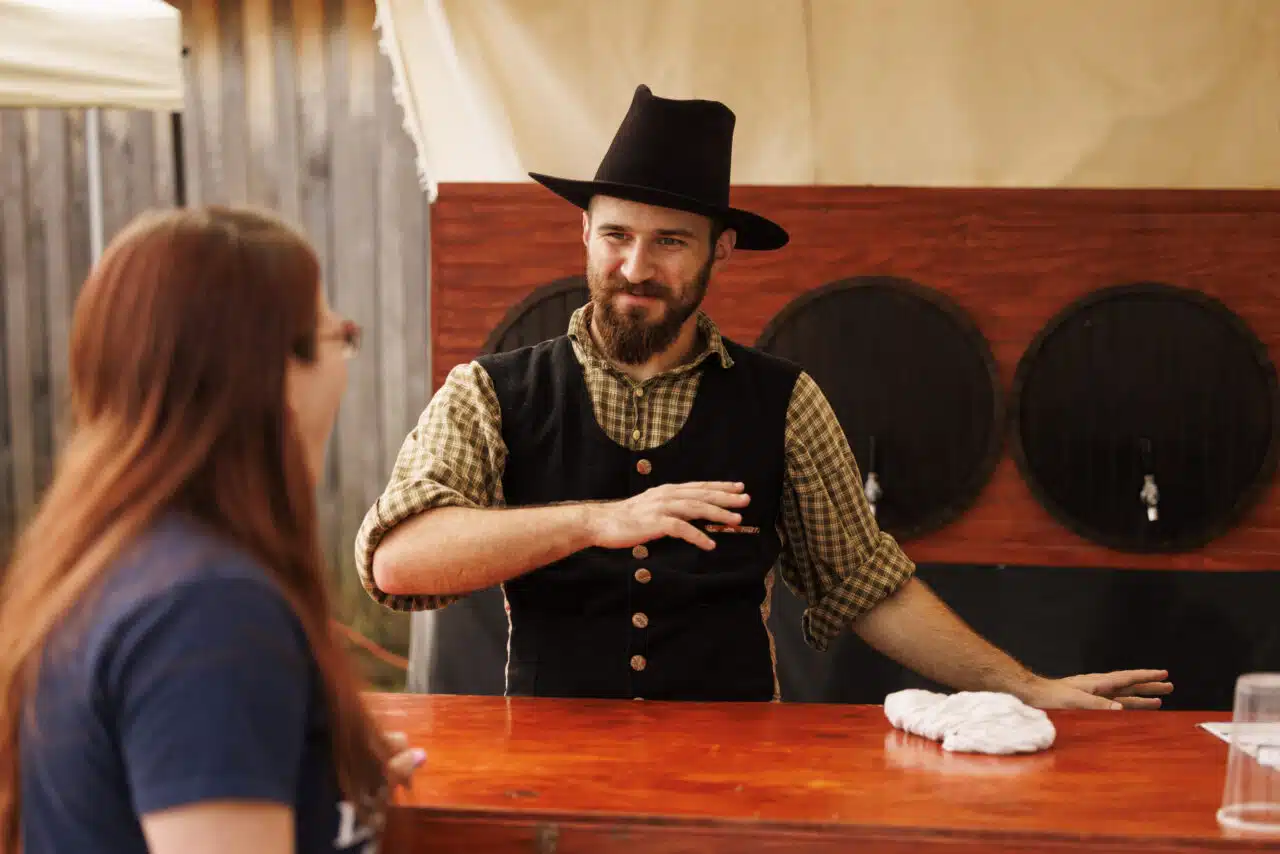
Livening things up will be the usual suspects – musicians playing period music; sutlers offering period goods for sale and food vendors who know that if an army marches on its stomach, so do those who come to watch those armies in action.
Which brings us to the central focus of the two-day event – the chance to re-live history, even if it is only pretend. The Re-enactment of the Battle of Richmond will take place at 2:00 p.m. on both days.
Saturday tends to be the busier day, according to Carmack, while Sunday is a bit more leisurely, so pick the day that suits you and plan to join the approximately 2,000 visitors (some who come from as far away as Argentina and Spain) to learn more about a battle that deserves its place in history.