Most Americans know about the Boston Massacre in Massachusetts, the fall of the Alamo in Texas and the Battle of the Little Big Horn in Montana – confrontations where one side vastly outnumbered the other, leading to tragic consequences.
Not many outside the Commonwealth of Kentucky, however, have heard of the Siege of Fort Boonesborough.
In 1778, during the height of the Revolutionary War, some 400 Native Americans, mostly Shawnee under Chief Blackfish, aided by their British allies, engaged in an assault on the fort founded by explorer/settler Daniel Boone on the Kentucky River in present day Madison County.
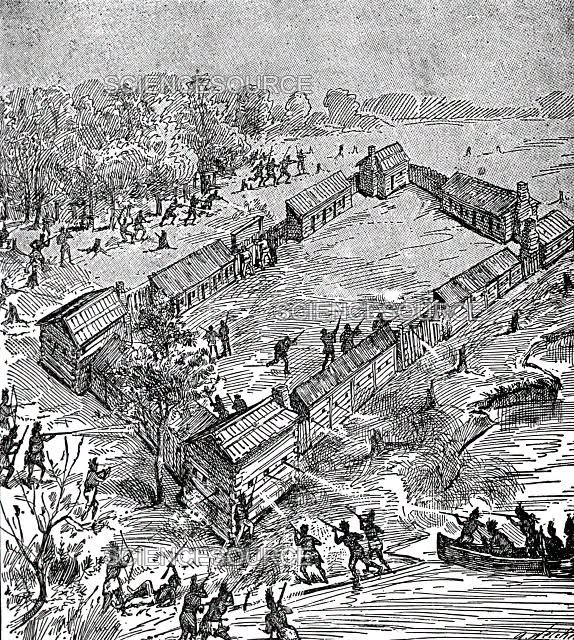
With only 70 residents in the fort – some of them women and children – the settlers held off the combined British and Indian forces for 10 days, resulting in only a few casualties for the settlers, one of whom was Boone’s daughter Jemima who was shot in the ankle.
The success of the outnumbered settlers preserved a critical American military foothold in Kentucky.
That victory has been celebrated every September for the past 28 years with the Siege of Fort Boonesborough Re-Enactment. This year’s dates are September 18-20 from 9:00 a.m. to 4:00 p.m., with a (insert how long) re-enactment of the attack taking place at 2:00 p.m. on both Saturday and Sunday.
Approximately 125 re-enactors, including volunteers from Kentucky and other states, and members from the Cherokee nation in Tennessee and North Carolina will be participating.
However, according to the fort’s manager/program director Rick Allen, the rest of the event’s activities will be considerably less fraught with danger.
“Friday, September 18th will be designated as Kid’s Day, with activities geared to our youngest pioneers,” explains Allen, adding that those activities range from fire starting and making cordage to learning 18th century cooking skills and watching 18th century tool demonstrations.
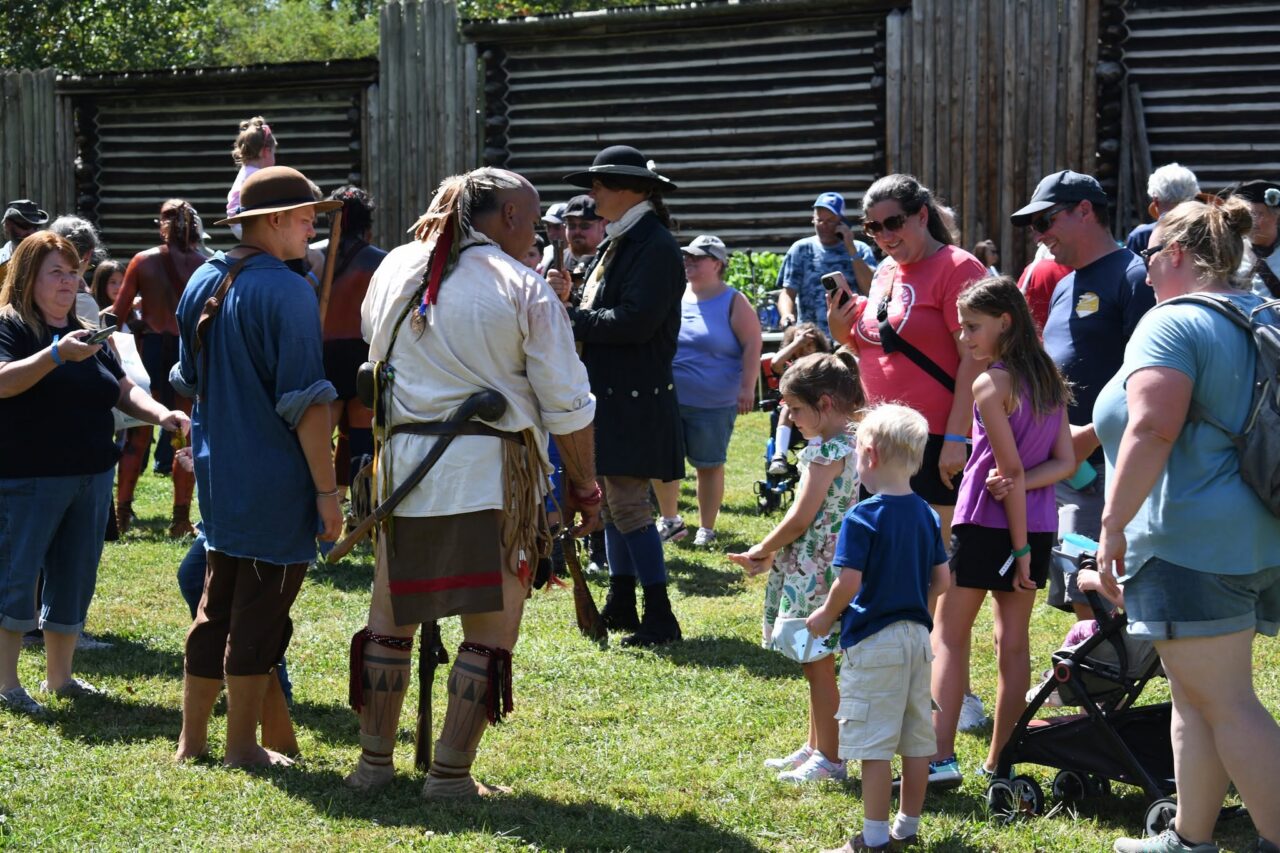
Saturday, September 19th and Sunday, September 20th will offer a lesson in living history as the fort comes alive with authentically re-created campsites of both settlers and Native Americans, demonstrating the same skills they would have practiced during the 1700s.
This will provide opportunities to engage with the re-enactors and to see cooking over an open fire and bread making. Alas, you won’t have a chance to eat anything they cook.
“Food is the only thing over the entire weekend that’s not 18th century,” says Allen.
He adds that he doubts visitors will mind when they can admire the clothing of the time on re-enactors and hear the music of the period.
Or be able to watch demonstrations of skill such as tomahawk-throwing or even have a chance to purchase a period item from one of the vendors.
Somehow, we think the chance to leave with a coonskin cap on your head or a model flintlock under your arm will ease the disappointment of having to eat hamburgers and pizza instead of possum stew and foraged vegetables like Boone and company did.
Credit: Barbara Reynolds Photography